If you’re struggling to make the most of small spaces, figuring out how to incorporate storage without clutter can be a challenge.
Luckily, cane shelves offer a versatile solution that combines style with practicality.
From wall-mounted units to narrow towers, you can transform awkward corners and tight gaps into organized spots.
Keep reading to see how these ideas can help you maximize every inch.
Maximize Your Walls With Floating Cane Shelves
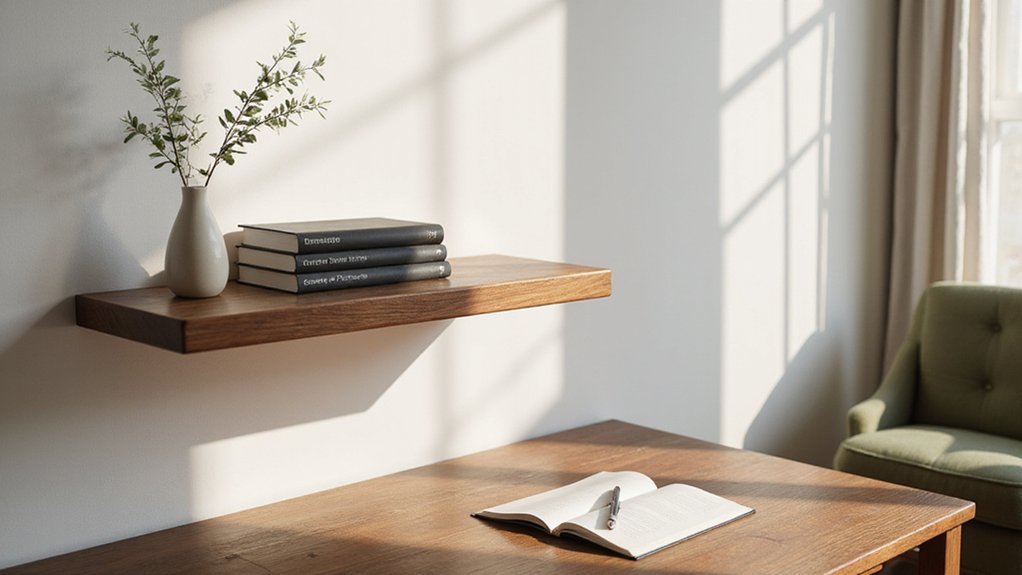
Floating cane shelves offer several key advantages for small spaces. First, they maximize vertical wall space by providing storage without occupying floor area, perfect for tight quarters. Their open cane webbing design helps reduce visual clutter and allows light to filter through, keeping the room feeling open and bright. You can create a dynamic, cohesive look by using color pairing—blending neutral cane tones with your wall color seamlessly. Grouping shelves at different heights allows you to customize your storage and display area without sacrificing valuable floor space. Organizing items by category and frequency of use ensures your shelves stay tidy and functional over time. When installing, locating wall studs is essential for stability, and a level ensures your shelves appear perfectly floating. This approach transforms underutilized wall space into functional, airy displays for books, plants, or decorative accents. For example, you can use these shelves to store lightweight cookware such as mixing bowls or small pots, keeping them accessible without crowding countertops. A pegboard system offers a similar modular approach for organizing tools and kitchen items on vertical surfaces.
Turn Corners Into Storage With Angular Cane Shelving
Turning corners into storage with angular cane shelving maximizes space without sacrificing style. Use triangular shelves that snugly fit against walls, or opt for diamond-shaped and hexagonal units for a bold geometric look. For odd nooks, asymmetric designs with deeper shelves on one wall work well. Wedge-shaped shelves in graduated sizes create visual interest, while zig-zag configurations turn dead corners into functional zones. Using effortless bed sheet storage methods can help you sort linens neatly on these angular shelves. For additional practicality, apply a labeling system to keep all folded items identifiable at a glance.
Choose hardwood or plywood at least 3/4 inch thick for durability. Secure shelves with metal brackets and toggle anchors into studs for stability. Stagger shelf depths by 12 to 14 inches to allow easy access. Rotating lazy susan units can resolve deep corner storage challenges. Top and bottom rails should be secured to improve stability, and each shelf must be leveled before mounting. Place heavier items on lower shelves to maintain balance and prevent tipping. Add anti-tip straps at the upper back anchored into studs for safety in areas with heavy storage. Following custom DIY plans ensures a precise fit for your space while maximizing structural integrity.
Fit Slim Freestanding Cane Towers Into Tight Spots
Slim freestanding cane towers are perfect for fitting into tight spots because their narrow footprint allows you to utilize small spaces efficiently. You can slide one into an awkward gap next to your sofa or tuck it behind a door without blocking your pathway. The quick cane height adjustment feature lets you customize each tower’s vertical storage to suit your needs—making taller sections for books or shorter ones for baskets. The cane grip design ensures the shelves stay stable, preventing wobbling even in tight corners. You don’t need a bulky unit; these towers hold your essentials comfortably without taking up extra floor space. Even in a cramped spot, anchoring the tower to the wall adds critical safety by preventing tipping. Just measure your area, lock the height in place, and load up—your secret weapon against clutter in cramped spots. For a cohesive look, choose a high-quality primer to seal the wood and ensure a smooth, durable finish. Like the rubberized grip on a trek cane, the tower’s handle surfaces provide secure handling even in tight corners. A similar drainboard design keeps water from pooling on the lower shelves.
Style Cane Shelves for a Visually Balanced Display
To create a visually balanced display on cane shelves, follow the rule of thirds by grouping items in odd numbers such as three or five. Arrange objects in visual pyramids by placing a taller piece in the center and shorter items on each side. Layer different dimensions by combining tall objects with shorter ones to add depth and interest. Apply composition techniques like mixing shapes and textures to ensure the arrangement feels cohesive. Mix materials like ceramic and wood to introduce varied textures, which prevent the display from appearing flat. Stagger items instead of lining them up perfectly straight to keep the arrangement dynamic. Incorporate plants or organic elements to bring a natural, balanced feel. For a cohesive look, consider using practical guidance from styling experts to avoid common mistakes. For plate displays in particular, arrange them in creative overlapping patterns to break up uniform lines and add visual rhythm. Finally, include empty spaces or strategic breaks between groups to avoid clutter and enhance visual clarity. To extend these principles to footwear storage, apply lasting storage ideas like using vertical dividers to keep pairs upright and accessible.
Mount Heavy-Duty Cane Shelves in Garages and Pantries
Heavy-duty cane shelves for garages and pantries need a load capacity of at least 600 kg in total. Individual shelves should support between 120 kg and 175 kg to hold heavy items like toolboxes or bulk dry goods safely. Always check the manufacturer’s specifications—don’t rely on guesses. Proper weight distribution is crucial: position the heaviest items on the lower shelves to improve stability and reduce structural stress. Additionally, using labeled storage bins can help sort small parts and keep the shelves tidy without a dresser. Organizing by practical sorting methods ensures the space remains functional and easy to maintain over time.
Steel frames should be powder-coated or galvanized to resist rust, especially in damp environments. Reinforced MDF shelves offer added durability and strength. Use a boltless click system for quick assembly. To prevent tipping, always anchor the unit to the wall with an anti-tip kit, especially when storing heavy loads. For a secure installation, use wall anchors in drywall to ensure the shelf unit stays firmly attached to the wall surface.
Choose the Best Cane Shelf Units for Bathrooms and Balconies
Chrome wire shelf units are the best choice for bathrooms because they resist humidity and corrosion better than untreated wood. They offer durability and easy maintenance. The AmazonBasics 5-Shelf Wire Unit provides maximum storage space for the lowest cost, making it highly efficient for tight bathroom spaces. Over-toilet configurations help save floor space while keeping essentials within reach. To clean metal shelves, wipe them with a damp cloth; they won’t warp or get damaged from moisture. When selecting for balconies, choose units with a compact footprint that fit narrow railings without blocking walkways. The Songmics Tower combines open shelves for towels and a closed cabinet to hide items from splashes, balancing display and storage. Wire units generally support heavier toiletries and potted plants without bending, offering high volume per dollar. Their sturdy frames and moisture resistance make them ideal for outdoor or humid environments. For those seeking an alternative with wood appeal, a 60 inch wall shelf with brackets can provide a similar durable storage solution for small spaces. Understanding reach in closet depth can help you position shelves so that items are easy to access without overreaching. Applying a pants hanger to keep rolled towels or small pots securely in place can prevent items from toppling off open shelves.
Save Hidden Space With Door-Mounted Cane Shelves
You cannot mount actual shelves onto a standard door to save hidden space. Cane material lacks the rigidity needed to support heavy objects, and attaching shelves would interfere with the door’s hinges and swing mechanism. Instead, use cane-panel doors to create a stylish enclosure for existing internal shelving within cabinets or pantries. You can staple cane directly to the door frame, forming a decorative facade that conceals clutter while adding visual appeal. This method maximizes storage space without risking structural integrity or hindering door function. By integrating cane as a door inset rather than adding shelves directly to the door, you preserve both form and function while making the most of hidden areas. A key part of long-lasting organization is grouping similar items together so they are easy to find and return. Soaking the cane webbing in water is recommended to tighten the material and reduce waves before stapling. For a clean, secure result, follow a shelving installation guide to ensure the cabinet or pantry frame itself is sturdy enough to support the weight of stored items.