Wondering what pegboard is made of? The materials vary widely, from traditional wood and Masonite to durable metals and plastics.
Choosing the right one depends on what you plan to store and the environment it will be in.
Keep reading to discover the pros and cons of each material and find the best fit for your needs.
Wood Pegboard: When to Use It and When to Avoid It
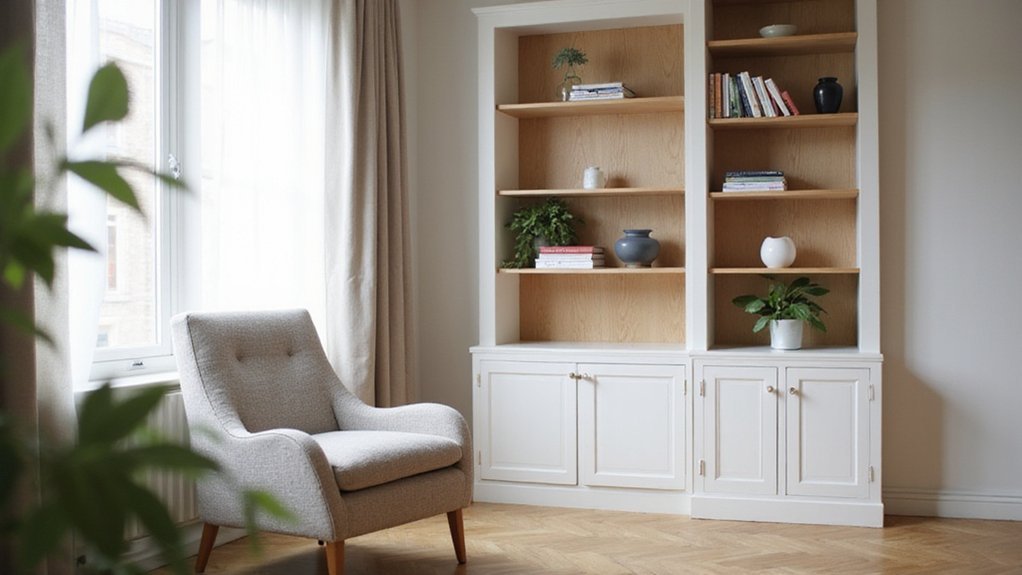
You should avoid using wood pegboard in damp areas like basements or bathrooms. Moisture causes warping, cracking, or rotting, which quickly diminishes its appearance and functionality. It’s also not suitable for heavy tools or high-traffic workshops, as it can sag or splinter under stress. For a more durable solution in a home library or office, consider using built-in bookcases to provide both sturdy storage and decorative display. If you need a versatile storage option for lighter items, a 6 foot shelf mounted on the wall can offer a stylish alternative. Stick with wood pegboard primarily for aesthetic purposes and gentle storage, but choose more durable materials for demanding environments or larger tools. If anchoring a heavy pegboard to drywall, be sure to use wall anchors rated for the weight to prevent it from pulling away and causing injury.
What’s the Difference Between Masonite and Standard Hardboard?
Masonite and standard hardboard differ primarily in their manufacturing process, surface finish, and durability. Masonite is a specific brand that uses a wet process, relying on the natural lignin in the wood to act as a binder during production. Standard hardboard, on the other hand, is a generic term and can be made through dry methods with synthetic adhesives. This difference influences their density and surface quality. Masonite features a highly compressed surface, resulting in a smooth face and a textured back. This makes it denser and sturdier, especially suitable for painting and finishing work. Standard hardboard has a rougher, more porous surface and is generally softer, making it less ideal for fine finishes. While Masonite tends to be more expensive, it offers greater durability. Keep in mind that Masonite is not waterproof; it requires a painted surface to prevent rot. Tempered hardboard variants provide improved water resistance, making them better suited for outdoor or moisture-prone environments. However, when used as exterior siding, masonite can absorb water and swell, leading to brittle failure and structural damage. For hanging items on Masonite panels, it is important to use wall anchors in drywall for a secure installation. When building heavy-duty shelving, many DIYers choose sturdy 2×4 lumber for its reliable strength and affordability.
Why Metal Pegboard Handles Heavy Loads Best?
Metal pegboards handle heavy loads best because they are made from high-grade steel or aluminum, which provide superior strength and rigidity compared to wood or plastic. This durability directly increases their load capacity; steel panels, when properly installed into wall studs, can support between 100 to 300 pounds. You don’t need to worry about warping, cracking, or sagging under heavy tools, even over time. Galvanized steel resists rust and can hold up to 200 pounds, while aluminum offers solid support for moderate loads. For lighter storage needs, wooden shelf brackets made from DIY plans provide an affordable and customizable option. The rigid nature of these materials prevents the bending or structural failure that can occur with wood fiber or plastic under forward-pulling forces. To maximize load capacity, secure the pegboard directly into studs using screws and washers, which prevents bending or detachment that could cause damage or injury. For high-density tool storage, you can apply the same structural principles from a floor-to-ceiling bookcase to ensure even weight distribution along the wall. Distributing heavier items across multiple pegs also helps keep everything stable and secure. For a well-organized space, you can apply similar utensil drawer sorting techniques to keep small tools accessible and tidy.
When Plastic or Acrylic Pegboard Makes More Sense?
Plastic or acrylic pegboards make more sense for lightweight items in environments prone to moisture or where visual clarity is important. They generally lack the load capacity of metal but excel in situations demanding water resistance or transparency. Co-polymer plastic is both versatile and sturdy enough for general tool storage, and it resists water absorption that can warp wood or other materials. Acrylic’s transparency allows you to see contents at a glance, making it ideal for labs needing chemical resistance or retail displays that benefit from visual appeal. For a cohesive display, you might apply open shelves styling principles to arrange items on the pegboard for a clean, accessible look. By using a color-coded sorting method, you can quickly locate ties or other small accessories grouped by hue or pattern, enhancing the organization. If you plan to integrate the pegboard into a hidden bookcase door, the lightweight nature of plastic or acrylic makes it easier to mount without adding excessive weight to the pivot mechanism.
For budget-conscious projects, plastic’s simple manufacturing process helps keep costs low while still providing adequate strength for frequent cleaning. Acrylic offers decorative advantages like frosted effects that can screen light or create a modern look without compromising durability. CNC-cut acrylic ensures precise and clean fittings, especially for industrial uses such as drying racks. If your priority is an affordable, lightweight, moisture-proof solution, plastic or acrylic pegboards are the best options, providing durability without the heavy weight or susceptibility to water damage that other materials may have.
Epoxy and Composite Pegboard: The Hybrid Alternative
Epoxy and composite pegboards are ideal for environments requiring resistance to chemicals, high heat, and heavy use. Their monolithic epoxy resin, reinforced with fibers, provides excellent chemical resistance and exceptional durability. The non-porous surface resists staining and sanitizes easily, making it suitable for cleanroom and lab settings. The 1-inch thick sheet stock incorporates polypropylene pegs and stainless-steel hardware, which prevent moisture absorption and corrosion. Unlike wood, they do not warp when exposed to moisture, and unlike metal, they resist rust and oxidation. Their thermal stability combined with plastic-like chemical resistance allows them to withstand high temperatures and harsh chemicals. This hybrid design is perfect for laboratories, industrial workshops, or anywhere demanding long-lasting, resilient pegboard solutions in tough environments.