Figuring out how to keep infant clothes organized can feel overwhelming with so many small items to manage. The key is creating a system that’s quick to sort, easy to access, and flexible enough to grow with your baby.
Once you set up simple zones and a practical folding method, maintaining order becomes much less of a chore. The tips below will help you streamline your space and stay on top of laundry and closet clutter.
Sort Infant Clothes by Real Fit, Not Tag Size
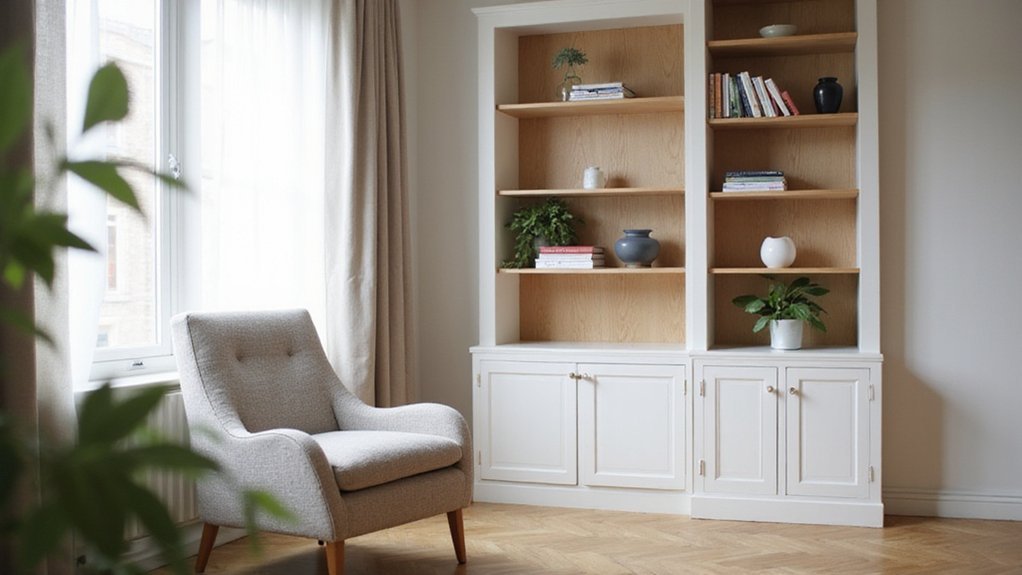
Ignore tag sizes and focus on the actual fit of your baby’s clothes. To do this consistently, lay a new garment flat and compare it directly to a piece that already fits well. Check the length and width, not the printed label or size range. Wash all clothes before sorting to account for potential shrinkage, which can change the fit. After washing, stack clothes by shape and size based on your measurements. This hands-on approach ensures your baby’s clothes fit snugly and safely, no matter what the tags say. You might even arrange these stacks on a shelf using decorative layout inspiration from built-in bookcases to keep the space visually tidy and accessible. For a secure setup, consider using wall anchors in drywall to hang lightweight shelving for baby clothes. A floor-to-ceiling bookcase can provide stable vertical storage for organized bins of sorted clothing.
Keep a “Too Small” Bin Handy for Instant Purging
A “Too Small” bin should be kept within arm’s reach, like at the bottom of the closet. Immediately toss snug items into this bin instead of returning them to the drawer. This quick action prevents clutter from accumulating during busy times and keeps your space organized. For larger decision-making, place a separate “Donate” bin nearby so you can quickly sort items when they no longer fit. If you feel attached to certain pieces, transfer them to a keepsake box instead. Use the “Too Small” bin strictly for items that will go to future siblings or serve as hand-me-downs. When it fills up, transfer its contents into weatherproof plastic bins labeled by size and season. Avoid using cardboard boxes; instead, choose sturdy, eco-friendly plastic tubs to prevent pests and make rotation easier. This system helps you stay efficient and minimizes wasted time in sorting. Additionally, regularly assess clothing needs for growth and practicality to ensure the bin only contains truly outgrown items. For true lasting storage, sort items by size and season and store them on sturdy shelving to prevent damage and simplify access. For maximum efficiency, always load filled bins onto shelving systems using balanced weight distribution to maintain stability and safety during rotation. To further enhance your space, consider incorporating layout inspiration similar to how decorative items are arranged on a floating shelf to keep the bin area visually tidy and accessible.
Fold and File Infant Clothes Like Paperwork
Folding and filing infant clothes like paperwork ensures you’ll see every item at a glance without digging through a jumble. To do this, lay each piece flat on a clean surface. Tuck in the sleeves or legs to form a long rectangle. Then, fold that rectangle into thirds or fourths until it can stand upright on its own. Place these bundles vertically in rows, with folded edges facing up, like files in a cabinet. This method preserves fabric integrity by avoiding crushing delicate knits or snaps. It also improves temperature control, as air can circulate freely between items. For bulky fleece sleepers, adjust the fold count to prevent tight compression, which can stretch or damage the fabric. Always position graphics face down to keep designs visible when you open the drawer. Never pile items, as every edge stays visible and easily accessible, saving you time when searching. Use a supportive container for stability when stacking to maintain the shape of each folded bundle. Using a primer coat first can help ensure a clean, durable surface on any wooden drawer inserts. For the most secure display, hang larger or heavier sleepers on a floating shelf to keep them off the pile and easily reachable. Displaying folded bundles in neat rows on a bookshelf also improves visibility and prevents fabric distortion.
Assign Specific Drawer Zones for Each Clothing Type
Assign specific drawers for each clothing type to streamline your baby’s wardrobe. Reserve the top drawers for high-rotation items like onesies, socks, and bibs. Assign one drawer solely for onesies, another for blanket sleepers, and a middle-right zone for diaper covers and pants. Use drawer dividers to create clear zones within each drawer—separating short-sleeve shirts from pajamas or newborn sizes from 0-3 months. Bottom drawers are for less frequently used items: designate one for special occasion outfits and another for bulk bedding such as crib sheets. Label each drawer or divider zone with the contents and size range to avoid confusion. This organization prevents midnight rummaging for a clean bodysuit and helps keep your baby’s wardrobe efficient. This system works like a lazy susan by allowing you to spin through options without disrupting the entire layout. Smart bathroom cabinet organization can also be applied here by using similar drawer dividers to sort and arrange everything, ensuring storage ideas that actually last. To further extend the longevity of your system, group similar-sized pans together as you would with baby clothes to create Smart Ways to Organize Your Pots and Pans with practical methods that prevent clutter.
Double Your Closet Space Without Renovating
Doubling your closet hanging space is simple with a few strategic upgrades. Start by installing a second tension rod about three feet above the existing one, which creates additional space for shirts and skirts. Reserve the upper rod for longer items like dresses and coats, effectively doubling your usable hanging area without any renovations. For a similar space-saving approach, you could build a stylish floating shelf above the rod to store folded infant clothes and accessories. For a secure installation, consider using adjustable shelf supports that can be easily repositioned as your storage needs change. To further enhance organization, consider adding a 2 drawer dresser for neatly storing folded onesies and sleepers.
Next, switch to slim velvet hangers, which are half the width of bulky plastic or wooden hangers. This small change allows you to fit more garments on each rod, maximizing vertical space. For pants and skirts, add clip hangers that hang multiple items vertically, further saving space on your rods.
You can also utilize the back of your closet door by hanging an over-the-door organizer for shoes or accessories. Under-shelf baskets can be installed to hold socks, scarves, or small clothing items, making better use of vertical space within the closet itself. These straightforward modifications can significantly increase your storage capacity without requiring any wall or structural changes.
Group by Season, Then Seal for Compact Storage
Sealing for compact storage involves using vacuum-sealed bags to significantly reduce the volume of bulky items. First, select the appropriate bags: synthetic fabrics and thick items like blankets or winter coats work well in vacuum-seal bags, whereas natural fibers such as cotton benefit from breathable storage to prevent mold. Ensure all items are thoroughly cleaned and completely dry before sealing. To avoid deep creases, roll onesies or similarly shaped garments instead of folding them tightly. Place the sealed bags into sturdy, weatherproof plastic bins to protect against dust, pests, and moisture. For a long-lasting pantry-like system, consider grouping by season and labeling bins accordingly. Regularly audit your storage system every 1 to 3 months, removing out-of-season or too-small pieces to maintain organization and efficiency.
Label Everything So Anyone Can Find the Right Size
To avoid confusion, use weight and height ranges on tags instead of age labels. Instead of labeling clothes as “3 months,” specify that the item fits babies weighing 8 to 12 pounds or measuring 22 to 24 inches. Preemie sizes typically suit babies up to 5 pounds, while Newborn fits those from 5 to 8 pounds. Writing these specific weight and height ranges on your labels helps ensure a better fit, especially since brand sizing can vary significantly. For example, one brand’s 0–3 month clothing might fit babies up to 12 pounds, while another’s might only suit smaller infants. Check each brand’s size chart carefully and note the exact weight and height ranges on your clothing labels.
To keep things simple, place new labels over existing manufacturer tags to prevent irritation around your baby’s neck. Use soft, lightweight labels on the care tags for easy access during daycare or travel. Pair adjacent sizes, such as 0–3 months with 3 months, and organize them in clearly labeled bins. This system makes it easier to find the right size quickly and reduces the chances of accidental mix-ups. For added safety, ensure any full-length dresser or tall storage used for these bins is securely anchored to the wall.
Create a Running Inventory to Prevent Double Purchases
Creating a detailed inventory with core infant clothing categories helps you prevent double purchases. Start by separating items by size ranges, such as newborn, 0-3 months, and 3-6 months, so you can quickly see what’s available for each stage. Include seasonal categories like summer and winter, along with functional labels such as everyday wear, sleepwear, and special occasion outfits. Set minimum quantity thresholds—typically 3 to 5 units per size—to trigger reordering before stock runs out. Record the cost per unit and assign vendor locations to streamline restocking. You can also apply creative decorating ideas like labeling bins with visual tags to make categories instantly recognizable.
Use status labels like “Open” for orders in progress and “Complete” once fulfilled. This keeps track of order statuses and prevents multiple orders for the same item. Implement automation tools or inventory management software to send alerts when stock drops below reorder points. To ensure accuracy, run parallel checks for a week after alerts are triggered, confirming your counts and avoiding duplicate purchases. Regularly tracking time saved and error rates on a quarterly basis helps you refine the process. Group items into designated zones using shelf dividers or bins, so each clothing category stays visually separated and accessible. This approach keeps your baby’s wardrobe well-sized, organized, and free from redundant purchases.
Follow the One-Touch Rule for Long-Term Sanity
Following the One-Touch Rule means handling each piece of clothing once during the laundry process. When you take clothes from the dryer, immediately sort them by size, then roll or fold each item directly into its labeled bin or drawer. Doing this in a single step prevents clothes from piling up or becoming wrinkled on the nursery floor or dresser. It also preserves the quality of your laundry by reducing unnecessary handling and folding delays. Keeping everything sorted and stored promptly helps maintain a tidy nursery where only current size clothes are accessible. To keep this system effective, set a reminder every two to three months to rotate sizes, ensuring your storage remains functional and clutter-free. Like organizing nursery clothing, pegboard storage relies on secure hook placement to prevent items from falling out unexpectedly.