Keeping your reusable bags organized can save you time and hassle every time you shop. The key is creating a system that’s easy to maintain and quick to access, whether at home or on the go.
Once set up, you’ll wonder why you didn’t do this sooner.
Below, you’ll find simple steps to tidy up your collection and keep your bags in great shape.
How to Audit Your Reusable Bag Collection
To effectively organize your reusable bags, you need to conduct a thorough audit of your collection. Begin by inspecting each bag for durability. Look for tears, thinning material, or brittle plastic that could fail during use. Discard any bag that can’t hold at least 22 pounds for 125 uses over a distance of 175 feet, as these won’t stand up to daily wear and tear, just as you should use wall anchors in drywall for a secure hold on heavier items. Just as studio monitors prioritize accuracy over loudness, your bags should prioritize durability over mere capacity for long-term reliability. A well-organized cabinet uses vertical dividers to separate items and prevent them from toppling, making it easier to access your most durable bags.
Next, review your cleaning protocols. Confirm that all cloth bags are machine washable and ensure that insulated bags have accessible seams or openings for hand washing. Bags that develop persistent odors or stains that standard cleaning can’t eliminate should be removed from your collection.
Finally, check each bag for signs of moisture. Dampness encourages bacterial growth and can compromise hygiene. Discard any bag that remains wet or retains moisture after cleaning. Keep only those bags that meet durability and hygiene standards to maintain a safe, functional collection.
Sort Reusable Bags by Size and Type
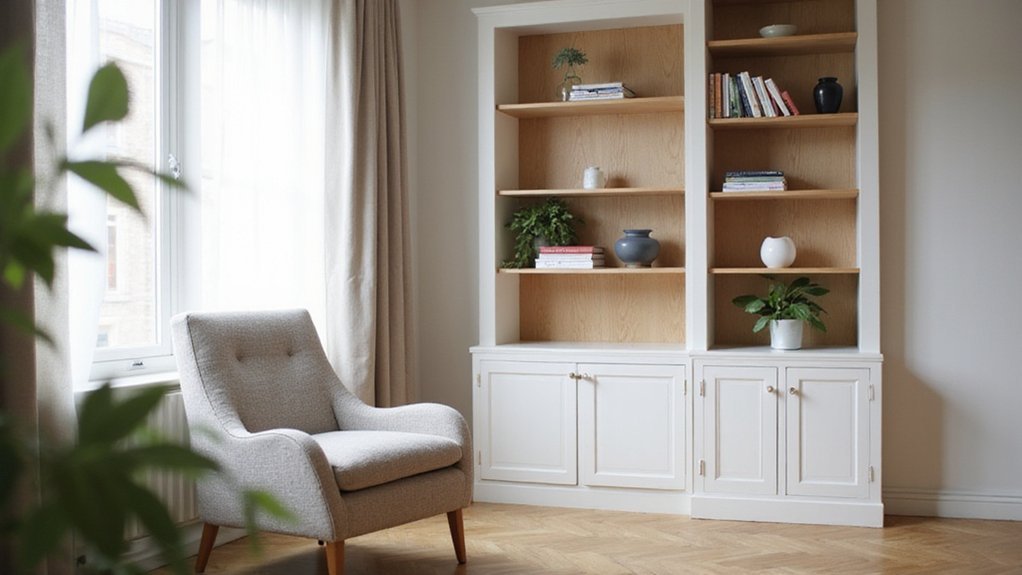
Once you’ve sorted your collection, organize your reusable bags by size and type to make them easy to find. Group small produce and lunch bags separately from medium totes and large supermarket haulers. This ensures you grab the right size for each task without rummaging through everything. Next, sort by material durability—sturdy canvas bags in one pile, mesh bags on hooks, and thin plastic bags in a designated bin. Always clean and dry each bag before storing to prevent odors and mold. For inspiration, consider storing your bags on built-in bookcases to combine accessibility with decorative order. This system works well because a lazy susan can spin to let you access bags stored on shelves from any angle. For a similar approach with cookware, you can hang heavy pans on a wall-mounted rack to save counter space.
Then, cluster your bags based on their specific purpose. Keep grocery bags for shopping, heavy-duty bags for hauling larger or weighty items, produce bags for fruits and vegetables, and cold storage bags for perishables. Place everyday bags near the door for quick access, and tuck away less-used ones in less obvious spots. This system keeps your space tidy, minimizes searching time, and makes grabbing the right bag for each occasion effortless.
Fold and Roll Bags for Compact Storage
Folding and rolling reusable bags helps you save space when storing them. To achieve a compact bundle, start with a quick rectangle fold: lay the bag flat, fold the top down about two inches, then flip the bag over. Fold the left side two-thirds toward the right, then bring the right edge over and roll tightly from the bottom up. Tuck the end into the initial fold to lock it in place. This method is effective for maximizing drawer or bin capacity, keeping your storage neat and accessible. For a more permanent solution, you can hang these bundles on the wall using pegboard hooks designed for lightweight items. For multiple bags, use the triangle fold and roll technique: flatten each bag, fold one side inward, roll twice, then fold the other side and create upward folds. Finally, roll into a triangle shape and tie it with the handles. These folding methods make your bags easy to organize and readily available whenever you need them. For a more permanent storage solution, consider building a custom closet system with specific compartments for these bundles. Maintaining consistent folding methods ensures uniform size for efficient storage. Grouping bags by size and material can further streamline your pantry organization.
Secure a Bundle With the Bag’s Handles
To secure a folded bag with its handles, start by scrunching the bag into a rectangle and rolling it tightly from bottom to top. Wrap both handles around the rolled bundle like a binding strap, then tuck the loose ends into the roll to hold everything in place. This method reduces volume and prevents the bag from expanding during storage. For durability, the bundled handles can be stitched along marked lines to prevent fraying, as specified in the pattern instructions. For added safety when storing heavier loads, consider using wall mount tips to keep the bundle stable and off the floor. Reflective surfaces like bathroom mirrors with shelves can help double-check that the bundle’s shape remains uniform during placement.
For extra stability, add elastic security. Take a thick elastic band and stretch it around the handles or the entire folded bag. Keep the band firm to compress the bundle and prevent handles from flapping loose. Choose an elastic width that fits your bag’s bulk without slipping. Replace worn elastics promptly to maintain consistent tension. This approach keeps your bundle neat and ready for quick retrieval. For a lasting solution, group several of these secured bundles inside a dedicated drawer divider to prevent shifting.
Keep Reusable Bags Clean and Sanitary
To keep reusable bags clean and sanitary, wash them after each use to prevent bacterial buildup. Hand-wash bags that aren’t dishwasher-safe with hot water and dish soap, scrubbing corners and seals with a bottle brush to reach all areas. For cotton or hemp bags, run a gentle hot cycle in the washing machine. After washing, dry all bags thoroughly—hang nylon bags inside out, and line dry polypropylene ones. Never store damp bags to prevent mold growth. Assign a specific washing frequency based on how often the bags contact raw foods to maintain hygiene.
For a deeper clean, use sanitizing methods like wiping insulated bags with disinfecting cloths, soaking smelly bags in an equal mixture of white vinegar and warm water, or scrubbing interiors with a baking soda paste. When cleaning plastic bags, mix hydrogen peroxide with dish soap in hot water. You can also spray non-woven polypropylene bags with an antibacterial cleaner, focusing on inner seams to ensure proper sanitation. Using color-coded bags for different food categories can further reduce contamination risks during shopping and transport. A dedicated corner shelf prevents these bags from sitting in damp piles during storage, allowing airflow to keep them fully dry. Organizing bags into vertical compartments keeps them upright and accessible.
Use Bins or Baskets for Home Storage
Once your reusable bags are clean and dry, storing them in bins or baskets helps keep your home organized. Opt for lidless bins set on their sides to make grabbing bags quick and to prevent tangles. Select sturdy storage options like Iris Stack & Pull boxes rather than flimsy containers, ensuring your system lasts. Match the bin colors to your room’s decor for a tidy and intentional look. Start by purging unused bags, then fold each bag uniformly—tucking straps inside—and stack small bags to save space. Place the bins on high shelves or above garage cabinets with openings facing outward for easy access. To maintain hygiene, wash your bags periodically and rotate their positions in the bins. Avoid hanging methods, as bins better prevent tangles and clutter. This organized approach keeps your storage space efficient, extends your bags’ lifespan, and makes grabbing a reusable bag quick and hassle-free. For example, sorting by size can help you quickly locate the right bag for different errands. High sides enable vertical storage to maximize space inside the bins. Consider using a pegboard system to hang lightweight items nearby, improving your overall setup and keeping frequently used accessories within reach.
Store Reusable Bags Near Your Front Door
Storing reusable bags near your front door can make grabbing them second nature. Place decorative wall racks in your entryway and hang bags by their handles for quick, wrinkle-free access. Using a multi-hook organizer on the mudroom wall helps separate heavy totes from lightweight bags. Collapsible storage containers tucked into visible baskets or shelves are also effective. Choose a container with dividers to keep plastic and fabric bags separate. Position the bin so you notice it when grabbing your coat, reinforcing your leaving-home routine. Keep only enough bags to fill the space without overcrowding. For a more polished approach, you can also sort bags by color and style to match your entryway decor. When you place your stash right where you exit, you’ll never forget to bring them along. This strategy works well because a walk-in closet can serve as a central hub for organizing all your daily essentials, including reusable bags. For a custom solution, you could build a dedicated bookcase wall to incorporate bag storage alongside other entryway items.
Store Reusable Bags in Your Car
Storing your reusable bags in your car ensures they are always within reach. Use dedicated containers like a plastic bin in the trunk or a boot organizer section to keep bags organized and prevent loose clutter. This way, you can grab a bag quickly without rummaging through the car. Carabiner hooks attached to your driver’s seat headrest also make it easy to hang bags for instant access. Additionally, tucking folded bags into car door pockets provides convenient storage that doesn’t interfere with other items. For an even more discreet option, slip a compactly folded bag behind the sun visor or hide them beneath the trunk floor or inside the glove box. Keep your storage lean by avoiding overcrowding containers, which helps preserve quick access and keeps your setup tidy. These simple strategies ensure you always have a reusable bag ready when you need one.
Fold All Bags Into the Same Size for Stacking
To fold all your reusable bags into the same compact rectangle, start by laying each bag flat on a smooth surface. Use your palm to press out wrinkles and air pockets, which helps create a uniform base and accommodates different material textures. Fold each bag into thirds vertically, tucking the handles inward so they don’t protrude. Then, fold the strip from the bottom upward in halves or thirds, depending on the bag length. For wide shopping bags, create a long narrow strip first to get the cleanest fold. Keep smoothing the material during each step to prevent puffiness, ensuring your final rectangle is firm and flat enough for easy stacking. This method emulates the bag’s original shop-folded shape to minimize bulk.
Choose Grab-and-Go Storage for Daily Use
Choose a grab-and-go storage method that fits your routine, making it quick and easy to access bags as you head out. Designate a sturdy tote as your master bag and tuck all your folded bags inside it. Keep this tote near the front door for immediate grab-and-go convenience. The tote handles secure the bundle, preventing unfolding during transport.
For entryway organization, place a stylish basket or bin on a shelf to store folded bags. This keeps them visible and ready for use. In your car, allocate a small bin or fabric cube in the trunk to hold four to six bags. Using this prevents tangles and keeps your bags accessible on the road.
Opt for storage solutions made from eco-friendly materials like recycled nylon or biodegradable fabrics. These boost durability, resisting wear from daily handling and repeated folding. Select compact, lightweight options that fit your lifestyle, ensuring you always have a reusable bag when leaving the house.