Struggling to find space for your books without a traditional bookshelf? You’re not alone — many people get creative with how they store their collections when wall space runs out or furniture is tight.
By thinking outside the box, you can turn your entire room into an organized book oasis using simple solutions like stacking under furniture or hanging shelves in unexpected spots.
Ready to transform your space? Keep reading for smart ideas to store books without a bookshelf.
Turn Your Floors and Walls Into Small-Space Book Storage
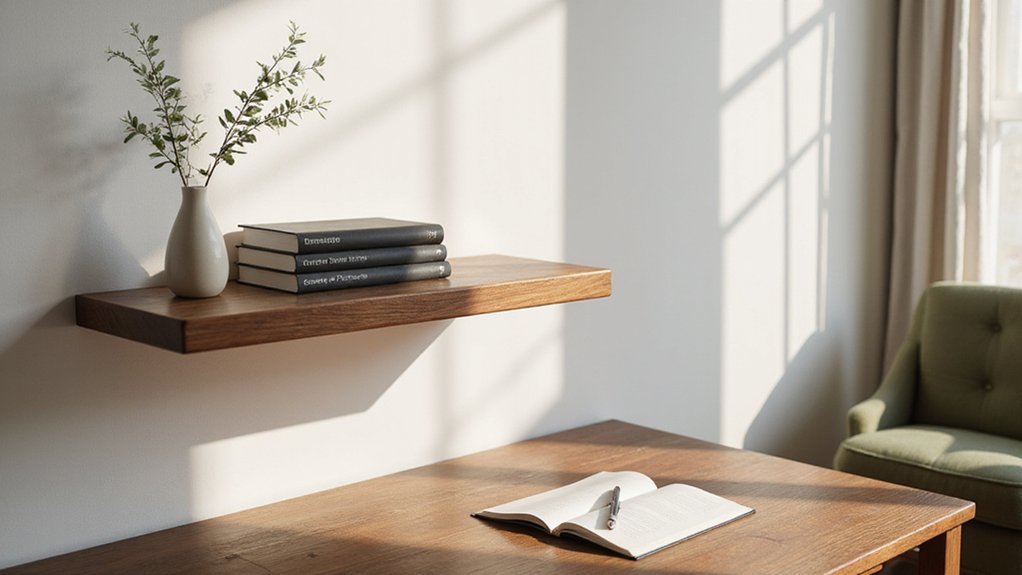
You can maximize small spaces for book storage by creatively utilizing floors and walls. Floating shelves mounted above sofas, desks, or doorways make excellent use of vertical space and keep your floors clear. Properly securing these shelves with wall anchors ensures they can hold the weight of books without damaging the drywall. Installing a floor-to-ceiling library wall provides ample room for large collections in a compact area. Ceiling space isn’t off-limits; a long, wrap-around shelf placed 18 to 20 inches from the ceiling can hold cherished or trophy books you don’t need often. For a similar approach to saving space, a soundbar offers a slim audio alternative compared to bulky bookshelf speakers. Narrow shelving above doorways offers a discreet storage spot without taking up additional square footage. On the floor, stacks of books arranged horizontally or vertically create a minimalist aesthetic—grouped by color along baseboards or next to beds for visual interest. Corners supported by two walls are stable options for stacked books. For a cohesive look, turn book spines outward to emphasize color schemes, or inward for a more organic, eclectic feel. To maintain a clean, lasting arrangement, apply smart kitchen pantry principles by grouping similar items and using vertical space efficiently.
Stack Books Under Desks, Tables, and Benches
Stack books vertically or horizontally under desks, side tables, coffee tables, or benches to turn hidden floor space into a functional display. This creates immediate visual interest while helping you keep your room tidy. Use creative stacking by varying heights along baseboards, beside beds, or tucked into corners supported by two walls. Just as you would follow a guide for removing wire shelves to clear closet space, this method transforms under-furniture areas into organized book displays. For decorative arrangements, group books by color to create a rainbow effect or turn spines inward for a cohesive, streamlined look. In a bathroom, you could apply similar smart cabinet organization to neatly arrange toiletries and towels.
Incorporate practicality by topping large-format books with a tray to create a low-drink table or sliding small tables beneath to maximize space. Place heavier books on larger tables to evenly distribute weight and prevent damage. If elevating a PC or electronic device, ensure gaps between books for proper air circulation. For a balanced, artful vignette, combine horizontal and vertical stacks with potted plants or speakers to add texture and personality. Wall steel kitchen racks offer a similar space-saving solution for keeping countertops clear when storing kitchen items.
Use Windowsills and Mantels as Display Shelves
Treat mantels as a single-row bookshelf by alternating horizontal and vertical stacks of decorative books. Use horizontal stacks to create a focal point, and vertical stacks with bookends to keep upright books tidy. Place low stacks under windows to make the most of natural light and avoid cluttering the space. Top these stacks with plants, globes, or small art pieces to add visual interest. Avoid leaning books against each other to prevent damage, and regularly rotate your displays to showcase your favorites. These simple swaps turn empty surfaces into stylish, library-inspired focal points. For easy access to frequently rotated favorites, consider placing a small lazy susan on a nearby table to hold a rotating selection of books. Readers seeking a more permanent solution might prefer a 40 inch wide bookcase with doors for organized, dust-free storage. For those with mantels or windowsills on non-load-bearing walls, consider using adhesive furniture anchors to safely secure your displays without drilling into the wall.
Hide Books in Dresser Drawers, Suitcases, and Crates
Dresser drawers, suitcases, and crates can all serve as hidden storage options for your books. Use spare dresser drawers to organize overflow, categorizing by genre or size. Label sections with sticky notes to streamline retrieval and avoid clutter. To maximize space, adjust drawer height with inserts, allowing you to stack books vertically and make efficient use of depth. This method increases likelihood of reading by keeping books visible and accessible rather than forgotten. For a more permanent solution, consider following a DIY building guide to construct a dedicated shelf from wood. You can also apply practical methods to sort cookware by size and frequency of use from pot and pan organization strategies. Arranging books by category or size can further reduce the need to search through piles.
Vintage suitcases are excellent portable lockers that keep seasonal or rarely accessed books dust-free. Store books upright or flat inside, but avoid stacking more than three heavy volumes to prevent damaging the bindings. Opening suitcases periodically helps maintain air circulation and prevents mustiness.
For crate organization, tuck sturdy cardboard crates beneath benches or beds. Wrap books in cloth to protect them from dust while leaving a little space for easy removal. Never place crates directly on concrete floors; instead, put a pallet underneath to prevent moisture damage.
Convert a Tiered Cart Into a Mobile Library
Convert a three-tiered cart into a mobile library by adding wheels that move smoothly without squeaking and installing shelves about one foot deep. Tilt the shelves at a 15-degree angle to keep books secure during transport, and mark pencil lines to maintain consistency across all shelves. Using a level or ruler helps ensure even tilting and stability. This project was built using leftover and repurposed materials to eliminate constant trips to the bookcase. Apply practical sorting methods to arrange items on the cart by frequency of use, similar to how a pantry organizes staples for lasting efficiency. For even greater accessibility, consider adding a revolving shoe rack mechanism to one tier for quick browsing. For added stability, use under-sink storage bins to anchor the bottom tier against tipping.
For better organization, incorporate digital cataloging by scanning ISBN barcodes with personal library software. Hosting your collection online makes it simple to borrow or locate books quickly. Create a QR code poster to allow instant access to your catalog from any device. When designing the cart, balance shelf placement carefully for stability, and dry-fit each component before final assembly to test movement and sturdiness.
Organize different categories on separate tiers—reserve one shelf for fiction and another for reference books—to keep the cart purposeful and efficient. Rotate your collection regularly to keep your mobile library fresh, engaging, and functional.
Organize Books in Baskets, Bins, and Magazine Racks
Instead of a tiered cart, use baskets, bins, and magazine racks to tuck books into almost any corner. Choose sturdy containers like plastic or wood magazine holders over cardboard ones to prevent sagging. For a rustic style, decorative baskets or picnic baskets work well. When basket space runs out, vintage trunks or suitcases provide durable, stylish storage for your treasured novels. For even greater durability, choose plastic or wood, not cardboard, for DIY magazine holder and shelf projects to ensure long-lasting support. To achieve a professional look, use a level and stud finder when securing any DIY shelf project to the wall. Sort books by author or genre to keep related titles together. Group thin children’s books in bins for quick access. Use file organizers for school books—they remain visible and are easy to pull out. Arrange books of the same height side by side for a tidy appearance. To add visual interest, incorporate horizontal stacks among vertical rows. Place book spines near the edge of deep shelves for better lighting and easier browsing. These methods help keep your collection accessible without relying solely on a traditional bookcase. For a more structured alternative, consider building a DIY drawer organizer to neatly store flat books and small paperbacks. For a more permanent solution, you can follow a practical guide to integrate custom shelves directly into your existing cabinet.
Hang Floating Shelves Without a Bookshelf
To hang floating shelves without a bookshelf securely, start by locating your wall studs using a stud finder. Mark their positions clearly, as studs provide the strongest support for heavy books. Next, align your brackets with the studs, ensuring they are perfectly horizontal with a level. Drill pilot holes into the studs to prevent splitting, then secure the brackets with long screws. If you can’t attach directly to a stud, use heavy-duty wall anchors rated for your shelf’s weight capacity. For small closets, adjustable shelves offer flexible storage that can be reconfigured as your book collection changes. For the most stable support, attach brackets directly to studs to prevent drywall compression and sagging under the weight of books. For a more integrated look, consider creating built-in bookcases that use the same stud-anchoring method for permanent stability.
After mounting the brackets, attach the shelf top, making sure it’s level and properly aligned. Distribute the weight evenly across the shelf and add books gradually. Avoid overloading the shelf beyond its weight limit to ensure stability and safety. This step-by-step process helps you achieve a secure, stylish floating shelf setup without the need for a dedicated bookshelf.
Arrange Books by Height and Color to Save Space
To optimize space, arrange your books by height and color into tidy, visually appealing gradients. Start by sorting your books into basic color groups—reds, blues, greens—and then separate shades within each group. Place these color piles into a smooth gradient, transitioning from dark to light or following the rainbow spectrum. This creates an ombre effect that adds style while minimizing gaps. Incorporate horizontal stacks for about 30% of your books to break up tall vertical rows and make better use of vertical space. Always place the bigger, heavier books at the bottom of each stack to ensure stability and safety. To further enhance this arrangement, consider grouping books by size and thickness for a unified look.
Protect Books From Dust, Sunlight, and Moisture
To protect your books from dust, sunlight, and moisture, store them in a cool, dark area with temperatures between 60°F and 70°F and humidity levels from 40% to 55%. Choose a well-ventilated space and keep books at least two inches away from walls to ensure airflow. For UV protection, install window film or shield books with UV-blocking sleeves. Never wrap books in plastic, as it traps moisture and causes damage; instead, use breathable cotton bags or acid-free storage boxes. Regularly remove dust by gently wiping covers with a soft microfiber cloth—avoid feather dusters as they can scratch the surface. For loose dust, a low-power vacuum can be effective. In enclosed storage, add silica gel packs to help control humidity and prevent mold growth. Always handle books by the spine, avoiding the edges of the covers to prevent damage. Store larger books flat on their covers to prevent warping over time.